
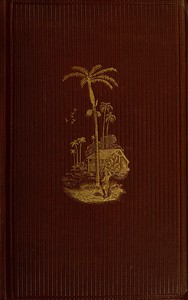
The Naturalist on the River Amazons by Henry Walter Bates
In 1848, a 23-year-old Englishman named Henry Walter Bates sailed to the Amazon with his friend Alfred Russel Wallace. They weren't rich explorers on a grand expedition. They were self-funded naturalists with a big idea to prove: that species change over time. Wallace would later leave, but Bates stayed for eleven long years. This book is his day-by-day account of that epic journey.
The Story
Forget a simple travelogue. Bates plunges you into the heart of the rainforest. You'll paddle up unknown rivers, set up camp in remote villages, and spend countless hours observing insects. The "plot" is his struggle to survive and collect specimens while wrestling with fever, scarce supplies, and the sheer, overwhelming scale of the wilderness. The central mystery he's trying to solve is written in the wings of butterflies: why do so many harmless species perfectly mimic poisonous ones? His work on this question became a cornerstone for the theory of natural selection.
Why You Should Read It
Bates's voice is surprisingly modern. He's not a stuffy Victorian writing from a comfortable study. He's in the mud with you, amazed by a troop of monkeys one minute and desperately ill the next. His wonder is contagious. You feel his triumph when he finally understands a complex piece of the natural puzzle, and his loneliness during years without contact from home. This book makes you feel the weight and the reward of true discovery.
Final Verdict
Perfect for anyone who loves real adventure stories, science history, or nature writing that doesn't gloss over the hard parts. If you've ever enjoyed the writings of David Attenborough and wondered about the pioneers who first brought those worlds to light, start here. It's a long, immersive, and absolutely rewarding trip into the past and into the planet's greatest rainforest.
This title is part of the public domain archive. Preserving history for future generations.
Robert Thomas
4 weeks agoI appreciate how this edition approaches the core problem, the clarity of the writing makes even the most dense sections readable. I'll be citing this in my upcoming project.
Mary Miller
1 month agoGiven the current trends in this field, the author doesn't just scratch the surface but goes into meaningful detail. I'll be citing this in my upcoming project.
Nancy Miller
4 months agoGiven the current trends in this field, the historical context mentioned in the early chapters is quite enlightening. It’s a comprehensive resource that doesn't feel bloated.
Richard Moore
1 year agoI took detailed notes while reading through the chapters and the objective evaluation of the pros and cons is very refreshing. Top-tier content that deserves more recognition.




Matthew Lopez
11 months agoI found the data interpretation to be highly professional and unbiased.